Introduction
Fencing is more than simply a border; it's a declaration of security, style, and privacy. However, before you delve into the interesting world of fencing, it's vital to ensure that your brand-new installation adhere to regional regulations. Whether you're thinking about a streamlined picket fence or a durable timber barrier, understanding the legal landscape can be intimidating. That's where the knowledge of fence contractors can be found in. In this extensive guide, we will explore how to ensure your fence meets local guidelines with aid from specialists, equipping you with all the understanding you need to make informed decisions.
Understanding Local Regulations for Fencing
What Are Local Fencing Regulations?
Local fencing regulations are rules and guidelines set by community authorities relating to the construction and positioning of fences. They vary commonly based on place and can dictate whatever from height limitations to products used.
Why Are Local Fencing Regulations Important?
These regulations are essential for a number of reasons:
- Safety: Ensuring that fences do not obstruct visibility at intersections. Aesthetics: Keeping an uniform appearance within neighborhoods. Property Rights: Preventing disagreements in between next-door neighbors concerning home lines.
Common Types of Fencing Regulations
Height Restrictions Material Specifications Setback Requirements Design GuidelinesHow to Guarantee Your Fence Satisfies Regional Regulations with Assistance from Contractors
When embarking on your fencing project, partnering with experienced fence contractors is invaluable. Here's how they can assist:
1. Understanding of Regional Laws
Most skilled fencing contractors, especially those familiar with specific areas like Melbourne, have an intimate understanding of regional laws governing fencing.
2. Website Assessment
Before beginning any job, these specialists will examine your website to guarantee that your planned fence is compliant with all regulations.
3. Permitting Process
Many areas need permits for fence installations. Your specialist will assist you through acquiring the essential authorizations and paperwork.
4. Product Selection Guidance
Different products might be subject to various guidelines; your specialist will assist you choose compliant materials while still satisfying your aesthetic desires.
Choosing the Right Fence Contractor
What Must You Search for in a Fence Contractor?
When selecting a specialist, consider:
- Experience in local projects. Positive customer reviews. A portfolio showcasing their work.
Questions to Ask Prospective Contractors
How long have you been in business? Do you have experience with my kind of fencing? Can you offer references? What guarantees do you offer?Types of Fences That Meet Local Regulations
Wooden Fences
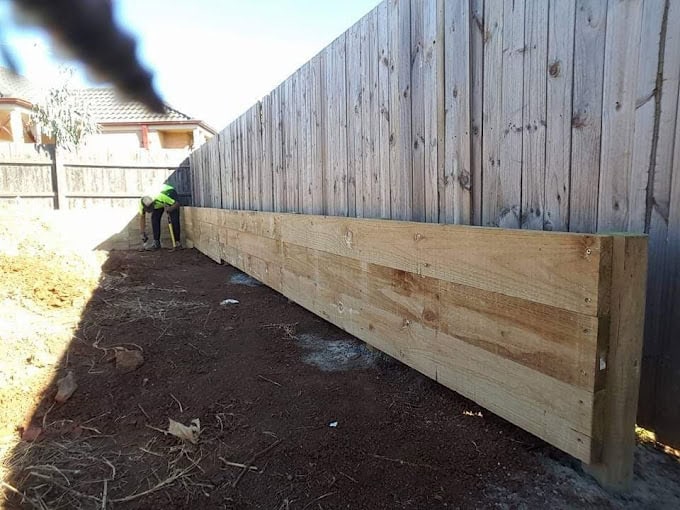
Wooden fences are popular due to their timeless appeal but check if there are material constraints in your area.
Pros:
- Versatile style options. Natural visual appeal.
Cons:
- Requires upkeep over time.
Vinyl Fences
Vinyl offers resilience and low maintenance however may have particular height restrictions in some locales.
Pros:
- Long-lasting. Variety of colors and styles.
Cons:
- Higher preliminary expense compared to wood.
Chain-Link Fences
These fences are often preferred for security functions however might not meet aesthetic standards in domestic neighborhoods.
Pros:
- Cost-effective.
Cons:
- Less aesthetically appealing than other options.
The Importance of Authorization Acquisition
What Is a Fence Permit?
A fence permit is official approval from local authorities permitting you to develop or modify a fence on your property.
Why Do You Required a Permit?
Permits make sure compliance with zoning laws and prevent potential disagreements with next-door neighbors or local authorities down the line.
Understanding Obstacle Requirements
Setback requirements determine how far back from home lines structures-- consisting of fences-- need to be built.
How Do Problems Vary?
Setbacks can differ based upon:
Residential vs Industrial Zones Type of Road Adjacent Height of the FenceWorking With Your Neighbors: The Collaborative Approach
Building a fence isn't practically your home; it has to do with preserving good relationships with next-door neighbors too!

Why Communicate With Neighbors?
Not just does this avoid disputes, but it also cultivates goodwill within the community-- after all, nobody desires an angry neighbor!
The Role of Surveyors in Fence Installation
Having accurate residential or commercial property lines is vital for any fencing project.
What Can Surveyors Provide?
Surveyors can verify residential or commercial property boundaries and assist avoid future disagreements that occur from incorrectly positioned fences.
Finalizing Your Style Strategies Before Installation
Once you've navigated through approvals and authorizations, it's time to finalize your style plans!

Key Considerations:
Aesthetic Appeal Functional Requirements (e.g., personal privacy vs presence) Compliance with local lawsInstallation Process: What To Get out of Your Contractor
Your contractor will deal with every aspect of installation-- from digging post holes to protecting panels-- making it smooth for you!
Typical Actions Include:
Site Preparation Material Gathering Installation Day ExecutionPost-Installation Examinations and Compliance Checks
After setup, some areas require assessments by local authorities https://alexisfence-builderbbdo019.theglensecret.com/workmanship-and-quality-trademarks-of-the-very-best-fencing-specialists-in-melbourne to guarantee compliance with previously provided permits.
Maintenance Tips After Installation
Keeping your fence looking great involves routine upkeep! Here's what you'll need:
Routine Cleaning Periodic Inspections Timely RepairsFAQs About Fencing Regulations and Contractors
1) Do I always need a permit for my fence?
Yes, a lot of areas need authorizations unless specified otherwise by local laws.
2) Can I develop a tall fence around my yard?
Height limitations use depending on region; consult your specialist for guidance.
3) What if my next-door neighbor disagrees with my planned fence?
Going over strategies freely can often result in amicable solutions.
4) Are there any specific materials I ought to avoid?
Certain products may be forbidden; consult with skilled contractors knowledgeable about Melbourne's regulations.
5) How do I select between wood and vinyl?
6) Can I set up the fence myself instead?
While DIY is possible, hiring experts makes sure compliance and lessens possible headaches down the road!
Conclusion
Navigating through regional fencing guidelines does not need to feel overwhelming! With specialist guidance from certified contractors like those discovered in Melbourne, accomplishing compliance ends up being an adventure instead of a barrier course! So why wait? Start preparing today so you can delight in that stunning brand-new fence while remaining on the best side of the law!